
Nerve Stimulator Techniques
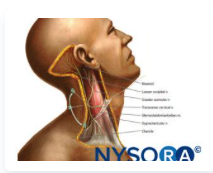
Cervical Plexus Block – Landmarks and Nerve Stimulator Technique
Highlights the anatomy relevant to Cervical Plexus Block as well as the technique description based on anatomic landmarks and nerve stimulator technique.
Deep and superficial cervical plexus blocks can be used in a variety of surgical procedures, including superficial surgery on the neck and shoulders and thyroid surgery. Its use is most common in carotid endarterectomy, in which an awake patient self-monitors to ensure adequate cerebral blood flow during cross-clamping of the carotid artery
.
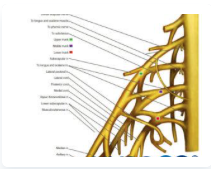
Interscalene Brachial Plexus Block – Landmarks and Nerve Stimulator Technique
Features the anatomy and how to perform an interscalene brachial plexus block using landmarks and nerve stimulation technique
The interscalene block is indicated for procedures on the shoulder and proximal humerus as well as the lateral two thirds of the clavicle. The interscalene block can also be utilized for surgery of the arm or forearm; however, the higher incidence of incomplete blockade of the inferior trunk with this technique may provide inadequate analgesia in the ulnar distribution.

Supraclavicular Brachial Plexus Block – Landmarks and Nerve Stimulator Technique
Features the anatomy and technique description to perform a supraclavicular block using landmarks and nerve stimulation. The supraclavicular block is one of several techniques used to anesthetize the brachial plexus. The block is performed at the level of the brachial plexus trunks where almost the entire sensory, motor, and sympathetic innervation of the upper extremity is carried in just three nerve structures confined to a very small surface area.
Infraclavicular Brachial Plexus Block – Landmarks and Nerve Stimulator Technique
Femoral nerve block is a basic nerve block technique that is easy to master, carries a low risk of complications and has a significant clinical applicability for surgical anesthesia and postoperative pain management....
Axillary Brachial Plexus Block – Landmarks and Nerve Stimulator Technique
Brachial plexus block at the level of the axilla is typically chosen for anesthesia of the distal upper limb. Axillary block is one of the most common approaches to brachial plexus blockade. Easy landmarks and simplicity make this block suitable for a wide range of surgical procedures.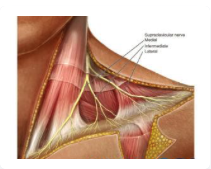
Cutaneous Blocks for the Upper Extremity – Landmarks and Nerve Stimulator Technique
Features the anatomy and technique to block: The supraclavicular, suprascapular, intercostobrachial and lateral and medial antebrachial cutaneous nerves.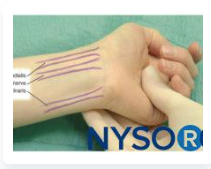
Wrist Block – Landmarks and Nerve Stimulator Technique
The wrist block involves anesthesia of the median, ulnar, and radial nerves, including the dorsal sensory branch of the ulnar nerve. The wrist block is simple to perform, essentially devoid of systemic complications, and highly effective for a variety of procedures on the hand and fingers.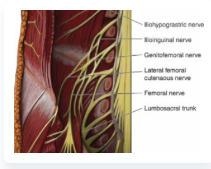
Lumbar Plexus Block – Landmarks and Nerve Stimulator Technique
Lumbar plexus is an advanced regional anesthesia technique, practiced by relatively few, experienced regional anesthesiologists. This is because these techniques have been challenging to master and resulted in frequent failure. ..
Femoral Nerve Block – Landmarks and Nerve Stimulator Technique
HIghlights the anatomy and landmarks and nerve stimulator block technique of the femoral nerve. The femoral nerve block is one of the most clinically applicable nerve block techniques that it is relatively simple to perform, carries a low risk of complications, and results in a high success rate.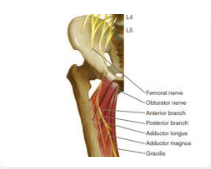
Obturator Nerve Block – Landmarks and nerve stimulator technique
The supraclavicular block is one of several techniques used to accomplish anesthesia of the brachial plexus. The block is performed at the level of the brachial plexus trunks where the almost entire sensory, motor and sympathetic innervation of the upper extremity is carried in just three nerve structures confined to a very small surface area....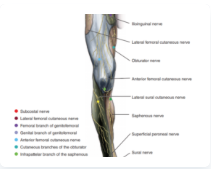
Cutaneous Nerve Blocks of the Lower Extremity
Blocks of the lateral femoral cutaneous, posterior femoral cutaneous, saphenous, sural, and superficial peroneal nerves are useful anesthetic techniques for a variety of superficial surgical procedures and carry a low risk of complications.
Popliteal Sciatic Nerve Block – Landmarks and Nerve Stimulator Technique
Distal sciatic nerve block (popliteal fossa block) is a very clinically valuable technique that results in anesthesia of the calf, tibia, fibula, ankle, and foot. This section describes the landmarks and nerve stimulator techniques to perform a popliteal sciatic nerve block.
Sciatic Nerve Block – Landmarks and Nerve Stimulator Technique
In this section, we focus on the classic approach to a sciatic nerve block, parasacral and subgluteal modifications, and the anterior approach. In the upper part of its course, the sciatic nerve lies deep in the gluteus maximus muscle and rests on the posterior surface of the ischium. The sciatic nerve crosses the external rotators, obturator internus, and gemelli muscles, then passes on to the quadratus femoris.
Ankle Block – Landmarks and Nerve Stimulator Technique
Anesthesia of the foot can be accomplished by blocking the five peripheral nerves that innervate the area at the level of the ankle. This technique relies on anatomic landmarks that are easily identified.
Thoracic and Lumbar Paravertebral Block – Landmarks and Nerve Stimulator Technique
Thoracic paravertebral block (TPVB) is the technique of injecting local anesthetic alongside the thoracic vertebra close to where the spinal nerves emerge from the intervertebral foramen. This produces unilateral, segmental, somatic, and sympathetic nerve blockade, which is effective for anesthesia and in treating acute and chronic pain of unilateral origin from the chest and abdomen.
Intercostal Nerve Block – Landmarks and Nerve Stimulator Technique
Highlights the anatomy, distribution of anesthesia and technique explanation to perform an intercostal nerve block guided by nerve stimulation. Intercostal nerve blocks provides excellent analgesia in patients with rib fractures and for postsurgical pain after chest and upper abdominal surgery such as thoracotomy, thoracostomy, mastectomy, gastrostomy, and cholecystectomy.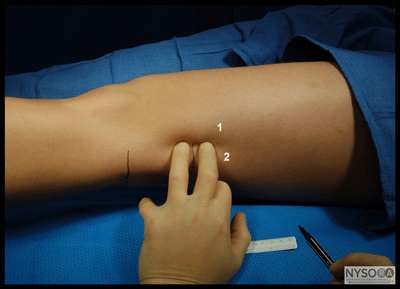
Continuous Popliteal Nerve Block: Lateral Approach
Continuous popliteal blockade is an advanced regional anesthesia technique and expertise with the single-shot technique is necessary to ensure its efficacy and patient comfort and safety....
Overzicht van (loco)regionale technieken
- ➟Ultrasound-Guided Cervical Plexus Block
- ➟Ultrasound-Guided Interscalene Brachial Plexus Block
- ➟Ultrasound Guided Supraclavicular Brachial Plexus Block
- ➟Ultrasound-Guided Infraclavicular Brachial Plexus Block
- ➟Ultrasound-Guided Axillary Nerve Block
- ➟Ultrasound-Guided Blocks at the Elbow
- ➟Ultrasound-Guided Wrist Block
- ➟Ultrasound-Guided Lumbar Paravertebral Space and Lumbar Plexus Block
- ➟Ultrasound-Guided Fascia Iliaca Block
- ➟Ultrasound-Guided Femoral Nerve Block
- ➟Ultrasound-Guided Lateral Femoral Cutaneous Nerve Block
- ➟Ultrasound-Guided Obturator nerve block
- ➟Ultrasound-Guided Saphenous (Adductor Canal) Block
- ➟Ultrasound-Guided Popliteal Fossa Block (Intertendinous Approach)
- ➟Ultrasound-Guided Subgluteal Sciatic Block
- ➟Ultrasound-Guided Ankle Block
- ➟Ultrasound-Guided Transversus Abdominis Plane and Quadratus Lumborum Blocks
- ➟Ultrasound-Guided Pectoralis and Serratus Plane Blocks
- ➟Ultrasound-Guided Central Neuraxial Blocks
- ➟Ultrasound-Guided Truncal and Cutaneous Blocks
- ➟Nerve Stimulator Cervical Plexus Block
- ➟Nerve Stimulator Interscalene Brachial Plexus Block
- ➟Nerve Stimulator Supraclavicular Brachial Plexus Block
- ➟Nerve Stimulator Infraclavicular Brachial Plexus Block
- ➟Nerve Stimulator Axillary Brachial Plexus Block
- ➟Nerve Stimulator Cutaneous Blocks for the Upper Extremity
- ➟Nerve Stimulator Wrist Block
- ➟Nerve Stimulator Lumbar Plexus Block
- ➟Nerve Stimulator Femoral Nerve Block
- ➟Nerve Stimulator Obturator Nerve Block
- ➟Nerve Stimulator Cutaneous Nerve Blocks of the Lower Extremity
- ➟Nerve Stimulator Popliteal Sciatic Nerve Block
- ➟Nerve Stimulator Sciatic Nerve Block
- ➟Nerve Stimulator Ankle Block
- ➟Nerve Stimulator Thoracic and Lumbar Paravertebral Block
- ➟Nerve Stimulator Intercostal Nerve Block

